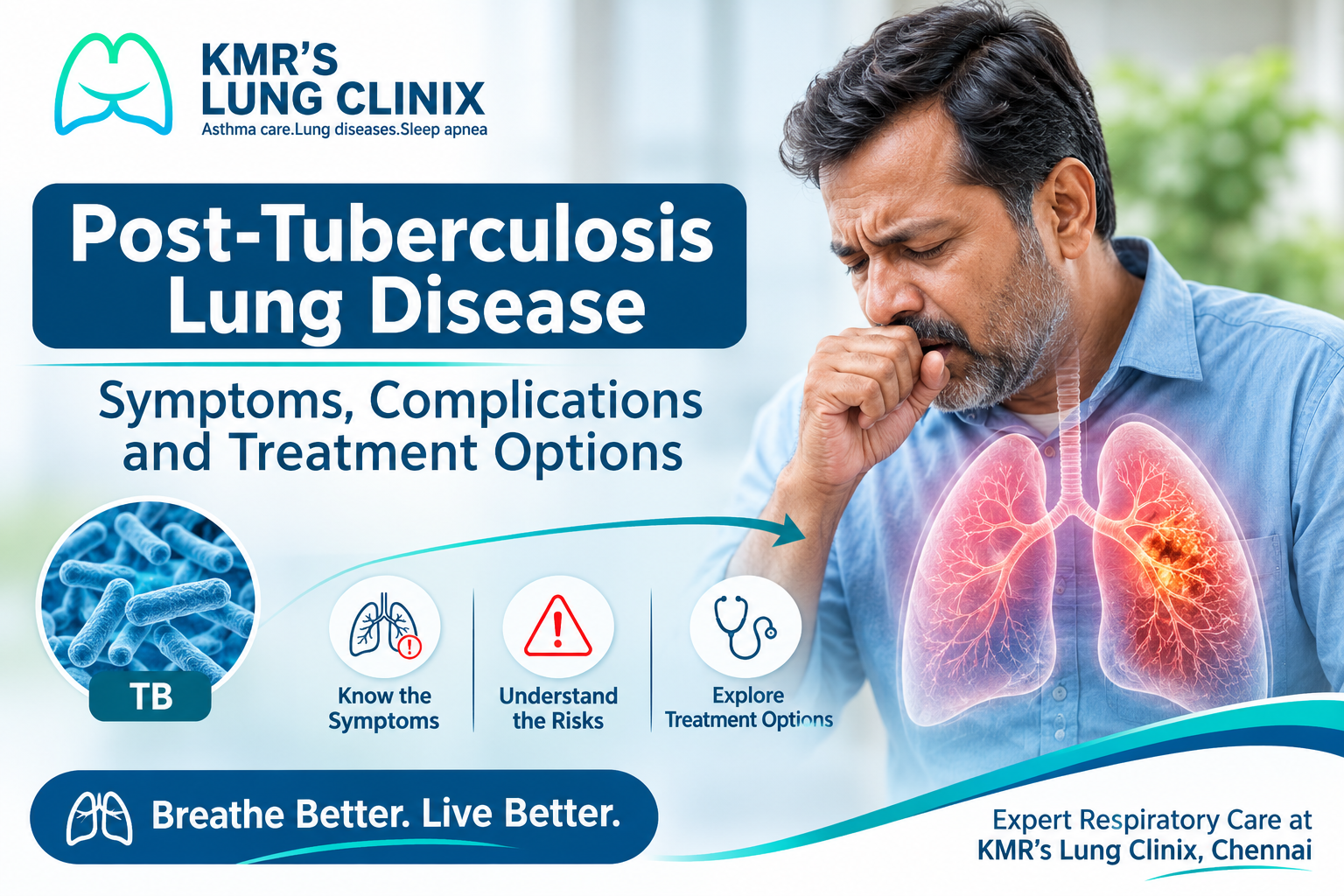
Tuberculosis (TB) is a serious respiratory infection that can affect lung health even after successful treatment. Some people continue to experience coughing, breathing difficulties, chest discomfort or reduced physical activity after completing their TB medication. These long-term problems are known as Post-Tuberculosis Lung Disease (PTLD).
Understanding the symptoms, complications and available treatment options can help patients seek timely medical attention and protect their respiratory health.
At LUNG CLINIX, we believe that monitoring lung health after TB treatment is an important part of long-term respiratory care.
What Is Post-Tuberculosis Lung Disease?
Post-Tuberculosis Lung Disease (PTLD) refers to persistent lung damage or respiratory problems that remain after completing treatment for active tuberculosis.
Although TB bacteria may be successfully eliminated, the infection can leave scars, damage airways and affect normal lung function. The severity varies from person to person, depending on the extent of the original infection and other health factors.
Common residual conditions include:
- Lung fibrosis (scarring of lung tissue).
- Bronchiectasis (permanent widening of airways).
- Reduced lung capacity.
- Airway obstruction.
- Persistent respiratory symptoms.
What Are the Common Symptoms of Post-TB Lung Disease?
People who have recovered from tuberculosis may experience different respiratory symptoms.
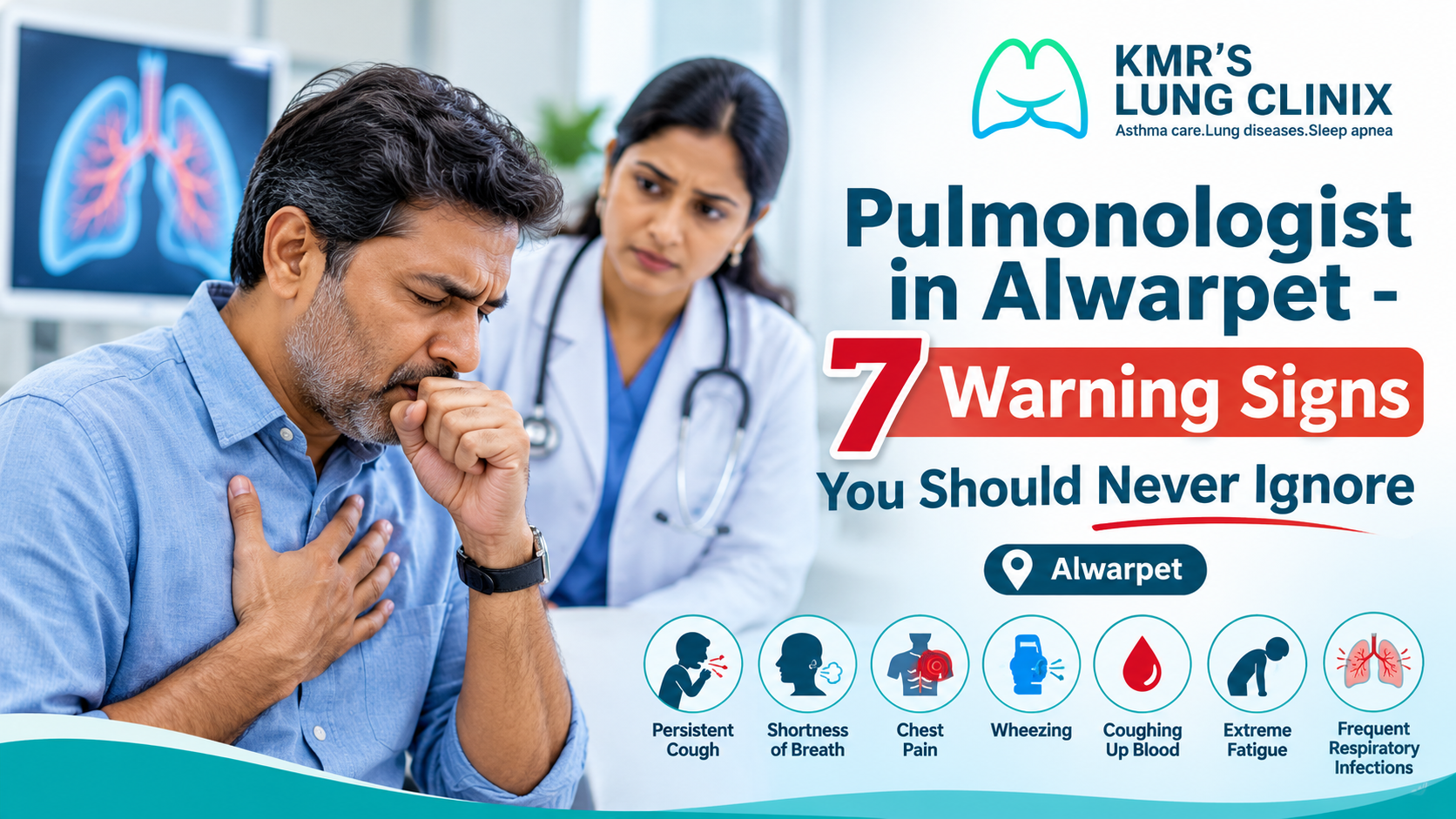
Common warning signs include:
- Persistent cough: A cough that continues even after completing TB treatment.
- Shortness of breath: Difficulty breathing while walking, climbing stairs or performing daily activities.
- Chest discomfort: Recurrent chest tightness or discomfort.
- Excess mucus production: Frequent phlegm or difficulty clearing airway secretions.
- Frequent respiratory infections: Repeated chest infections that affect breathing.
- Fatigue: Feeling unusually tired because of reduced respiratory capacity.
Coughing up blood or experiencing severe breathing difficulty requires urgent medical assessment. Persistent symptoms should also be evaluated to rule out active or recurrent TB and other conditions.
What Are the Possible Complications After Tuberculosis?
Untreated or poorly monitored post-TB lung damage can affect everyday activities and long-term health.
Some possible complications include:
- Bronchiectasis: Damaged airways may collect mucus and increase the risk of repeated infections.
- Pulmonary fibrosis: Scarring can make it harder for the lungs to expand normally.
- Chronic airflow limitation: Airway damage may cause persistent breathing difficulties.
- Reduced exercise capacity: Patients may struggle with walking, exercising or routine activities.
- Pulmonary hypertension: In some patients, long-term lung damage can contribute to increased pressure in the blood vessels of the lungs.
Early evaluation helps identify these complications and plan appropriate care.
How Is Post-Tuberculosis Lung Disease Diagnosed?
A pulmonologist may recommend different investigations depending on the patient’s symptoms and medical history.
Common diagnostic tests include:
- Chest X-ray: Identifies visible changes or abnormalities in the lungs.
- CT Scan of the Chest: Provides detailed images to assess lung scarring, bronchiectasis and other structural damage.
- Pulmonary Function Test (PFT): Evaluates airflow and lung capacity.
- Sputum Examination: May be required to investigate suspected active or recurrent tuberculosis.
- Six-Minute Walk Test: Helps assess exercise tolerance and oxygen levels during physical activity.
Not every patient needs every test. Investigations are selected according to clinical findings.
What Are the Treatment Options for Post-TB Lung Disease?
Treatment depends on the type and severity of lung damage. The aim is to improve breathing, reduce complications and support better quality of life.
Available management options may include:
- Pulmonary Rehabilitation: Supervised breathing exercises, physical activity and education can help improve exercise capacity.
- Medications: Inhalers, bronchodilators or other medicines may be prescribed when clinically indicated.
- Airway Clearance Techniques: Specific techniques can help patients with bronchiectasis remove excess mucus.
- Infection Management: Recurrent respiratory infections require timely medical evaluation and appropriate treatment.
- Lifestyle Changes: Avoid smoking, maintain a balanced diet and follow recommended physical activity.
Patients should never restart TB medication or use antibiotics without medical advice.
When Should You Consult a Pulmonologist?
Consult a respiratory specialist if you experience persistent coughing, breathlessness, repeated chest infections or reduced physical activity after completing TB treatment.
If you are searching for a pulmonologist in Vadapalani, choose a qualified respiratory specialist who can evaluate your symptoms, recommend appropriate investigations and guide long-term lung care.
LUNG CLINIX focuses on respiratory health assessment, diagnosis and patient-centred pulmonary care in Chennai.
Do not ignore breathing difficulties after TB recovery. Timely medical evaluation can help identify lung complications and improve your quality of life.
Frequently Asked Questions (FAQs)
1. Can tuberculosis damage the lungs permanently?
Yes. Tuberculosis can cause permanent lung scarring, airway damage and reduced lung function in some patients, even after successful treatment.
2. Can post-TB lung disease be cured completely?
Complete recovery depends on the extent of lung damage. While some symptoms and functional limitations can improve with appropriate treatment and rehabilitation, permanent structural damage may not be reversible.
3. How long do breathing problems last after TB treatment?
The duration varies. Some patients recover gradually, while others experience long-term breathlessness or coughing and require ongoing respiratory care.
4. Which tests are recommended after completing TB treatment?
Depending on symptoms, a doctor may recommend a chest X-ray, CT scan, pulmonary function test or sputum examination.
5. Which doctor should I consult for lung problems after tuberculosis?
A pulmonologist or respiratory medicine specialist can assess post-TB lung complications and recommend suitable treatment. Patients searching for a pulmonologist in Vadapalani should seek specialist evaluation rather than ignoring persistent symptoms.
Take care of your lungs even after TB recovery. Consult LUNG CLINIX for professional respiratory evaluation and guidance.