Your lungs work around the clock, supplying oxygen to every part of your body. Yet, lung health is often overlooked until symptoms like persistent cough, breathlessness, or chest discomfort become severe. Many respiratory diseases develop gradually and may not show obvious warning signs in their early stages. That’s why a lung health check-up plays a crucial role in detecting potential problems before they become serious.
At LUNG CLINIX, we believe that prevention is just as important as treatment. Regular lung screenings can help identify respiratory conditions early, improve treatment outcomes, and protect your overall health.
What Is a Lung Health Check-Up?
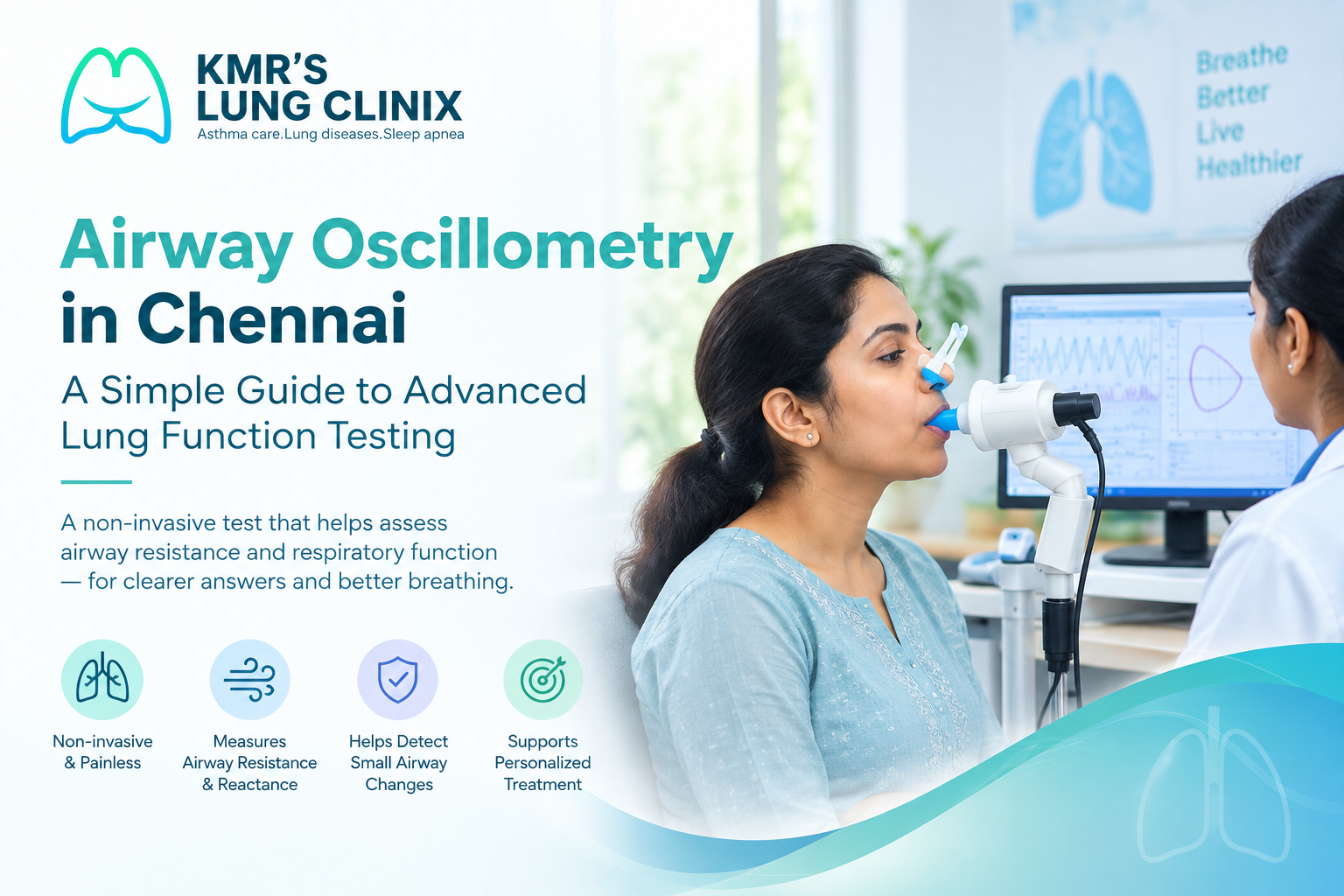
A lung health check-up is a comprehensive assessment of your respiratory system. It helps evaluate how well your lungs are functioning and identifies any signs of lung disease, even before noticeable symptoms appear.
Depending on your medical history and risk factors, a lung health check-up may include:
- Pulmonary Function Test (PFT)
- Chest X-ray or CT Scan (if recommended)
- Oxygen saturation measurement
- Allergy evaluation
- Asthma and COPD assessment
- Sleep apnea screening
- Clinical examination by a pulmonologist
These tests help detect lung conditions at an early stage, allowing timely treatment and better long-term health outcomes.
Why Is Early Lung Screening Important?
Many lung diseases progress silently. By the time symptoms become severe, the condition may already have caused significant damage.
Early screening helps:
- Detect respiratory diseases before symptoms worsen
- Monitor lung function over time
- Improve treatment success rates
- Prevent disease progression
- Reduce emergency hospital visits
- Enhance overall quality of life
Routine screenings are particularly valuable for people with known risk factors.
Who Should Get a Lung Health Check-Up?
1. Smokers and Former Smokers
Smoking is one of the leading causes of chronic lung diseases, including COPD and lung cancer. Even if you’ve quit smoking, your lungs may still require regular monitoring.
A lung health check-up helps detect early changes before complications develop.
2. People with Persistent Cough
A cough lasting more than three weeks should never be ignored.
It could indicate:
- Asthma
- Chronic bronchitis
- Tuberculosis
- Lung infection
- Acid reflux-related cough
- Early lung disease
Consulting a pulmonologist can help identify the exact cause.
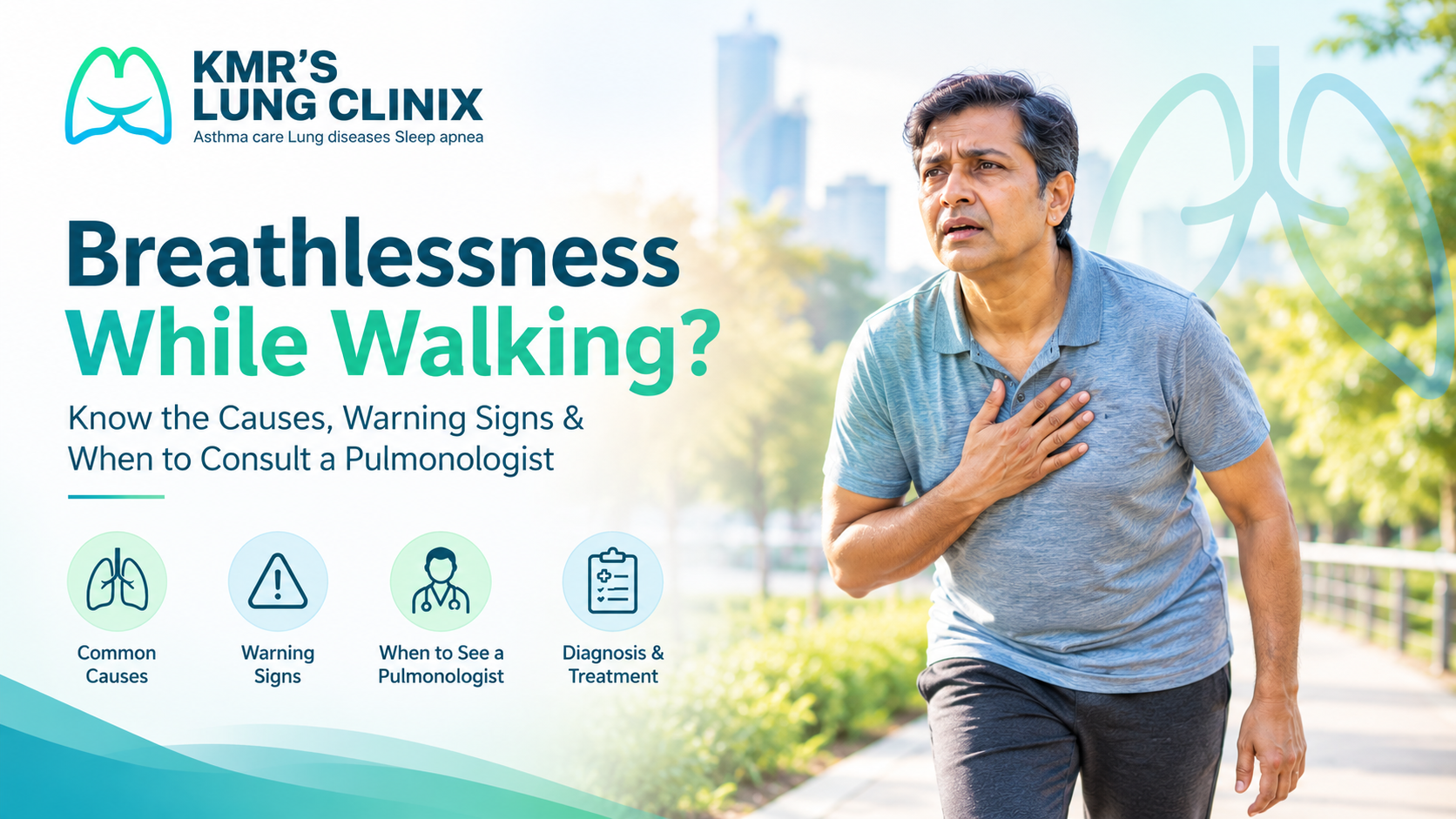
3. Individuals Experiencing Breathlessness
If climbing stairs or walking short distances leaves you unusually breathless, it may be more than just poor fitness.
Breathlessness can be associated with:
- Asthma
- COPD
- Interstitial Lung Disease (ILD)
- Heart and lung disorders
- Pulmonary fibrosis
Early diagnosis allows for better management and improved quality of life.
4. People with Asthma or COPD
Patients already diagnosed with asthma or COPD should undergo regular lung function assessments.
Routine monitoring helps:
- Evaluate treatment effectiveness
- Adjust medications
- Prevent flare-ups
- Improve symptom control
5. Individuals with Frequent Chest Infections
Repeated respiratory infections may indicate an underlying lung problem.
If you frequently experience:
- Bronchitis
- Pneumonia
- Chest congestion
- Persistent mucus production
A comprehensive lung evaluation is recommended.
6. People with Allergies That Affect Breathing
Allergic reactions can trigger airway inflammation, coughing, wheezing, and breathing difficulties.
If you suffer from seasonal allergies or allergic asthma, periodic evaluations can help manage symptoms effectively.
7. Individuals with Sleep-Related Breathing Problems
Loud snoring, interrupted sleep, or excessive daytime fatigue may indicate sleep apnea, a condition that affects both breathing and overall health.
A lung specialist can recommend appropriate testing and treatment.
8. Workers Exposed to Dust or Chemicals
People working in construction, mining, factories, chemical industries, agriculture, or other environments with dust, fumes, or pollutants have a higher risk of occupational lung diseases.
Regular screenings help detect early lung damage.
Common Symptoms That Should Never Be Ignored
Schedule a lung health check-up if you experience:
- Persistent cough
- Wheezing
- Chest tightness
- Shortness of breath
- Coughing up blood
- Frequent respiratory infections
- Unexplained fatigue
- Difficulty breathing during physical activity
Ignoring these symptoms may delay diagnosis and treatment.
How LUNG CLINIX Can Help
At LUNG CLINIX, our experienced pulmonologists provide comprehensive evaluation and personalized care for a wide range of respiratory conditions.
Our services include:
- Pulmonary Function Testing (PFT)
- Asthma and COPD management
- Allergy evaluation
- Sleep apnea diagnosis
- Lung infection treatment
- Smoking cessation guidance
- Preventive lung health assessments
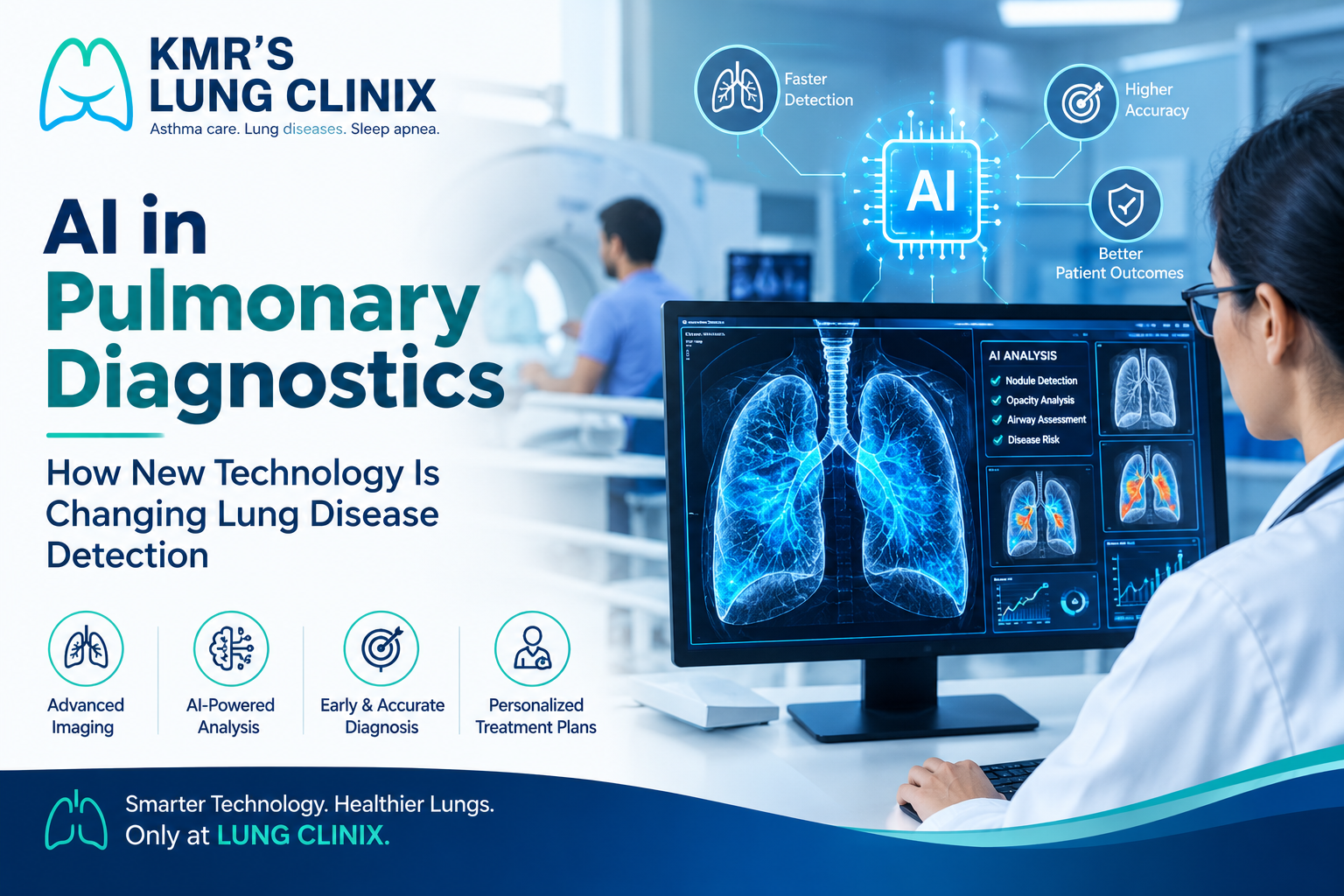
Using advanced diagnostic tools and evidence-based treatment, we focus on helping patients maintain healthy lungs at every stage of life.
Tips to Keep Your Lungs Healthy
Along with regular check-ups, you can protect your lungs by:
- Avoiding smoking and secondhand smoke
- Exercising regularly
- Wearing masks in polluted environments
- Keeping vaccinations up to date
- Managing allergies effectively
- Maintaining a healthy weight
- Eating a balanced, nutrient-rich diet
- Scheduling routine lung health assessments if you are at risk
Conclusion
Your lungs play a vital role in your overall health, and taking care of them should be a priority. A lung health check-up is not only for people with existing respiratory diseases—it is also an important preventive step for smokers, individuals with allergies, those exposed to pollution, and anyone experiencing persistent breathing problems.
Early detection can make a significant difference in preventing serious complications and improving treatment outcomes. If you have ongoing respiratory symptoms or fall into a high-risk category, consult the experienced pulmonologists at LUNG CLINIX for a comprehensive lung health evaluation and personalized care.
Frequently Asked Questions (FAQs)
1. What is included in a lung health check-up?
A lung health check-up may include a Pulmonary Function Test (PFT), oxygen level assessment, chest imaging (if required), allergy evaluation, and a consultation with a pulmonologist.
2. How often should I get a lung health check-up?
Individuals at higher risk, such as smokers, asthma patients, or those exposed to pollution or occupational dust, should follow their pulmonologist’s recommendations. Others may benefit from periodic preventive assessments based on age and health history.
3. Can a lung health check-up detect diseases early?
Yes. Early screening can help identify conditions such as asthma, COPD, lung infections, and other respiratory disorders before symptoms become severe.
4. Who is most at risk for lung diseases?
Smokers, former smokers, people with chronic respiratory symptoms, individuals exposed to air pollution or workplace dust, and those with a family history of lung disease are at increased risk.
5. When should I visit LUNG CLINIX for a lung health check-up?
You should schedule an appointment if you have persistent cough, breathlessness, wheezing, frequent chest infections, or if you are in a high-risk group and want to assess your lung health proactively.