Asthma and Chronic Obstructive Pulmonary Disease (COPD) are both common respiratory conditions that can cause cough, wheezing, chest tightness, and shortness of breath. Because their symptoms can overlap, many people assume they are the same condition. However, asthma and COPD have important differences in their causes, progression, diagnosis, and treatment.
Understanding asthma vs COPD can help you recognize symptoms earlier and seek appropriate medical care. At LUNG CLINIX, we provide comprehensive evaluation and personalized treatment for a wide range of respiratory conditions.
Asthma vs COPD: What Is the Difference?
The simplest way to understand the difference is that asthma is usually characterized by variable and often reversible narrowing of the airways, while COPD generally involves persistent airflow limitation associated with chronic inflammation and damage to the airways and/or lung tissue.
| Feature | Asthma | COPD |
| Typical onset | Often begins in childhood or early adulthood, but can occur at any age | Usually develops in adulthood |
| Symptoms | Often come and go | Usually persistent and gradually worsen |
| Common triggers | Allergens, exercise, cold air, infections, pollution | Smoking, biomass fuel exposure, air pollution, occupational exposures |
| Airflow limitation | Often variable/reversible | Usually persistent |
| Family/allergy history | Commonly associated | Less characteristic |
| Progression | Can often be well controlled | Generally progressive, although treatment can slow decline |
These are general patterns, not rules. Some people can have features of both conditions, so proper evaluation is important.
What Are the Symptoms of Asthma?
Asthma causes inflammation and narrowing of the airways. Symptoms may vary from day to day or be triggered by particular exposures.
Common asthma symptoms include:
- Wheezing
- Dry or persistent cough
- Chest tightness
- Shortness of breath
- Symptoms that worsen at night or early in the morning
- Breathing difficulties after exercise or exposure to allergens
Some people experience long periods with few or no symptoms, followed by episodes of worsening breathing.
What Are the Symptoms of COPD?
COPD commonly develops gradually, particularly in people with a history of smoking or long-term exposure to lung irritants.
Typical symptoms include:
- Persistent cough
- Increased mucus or phlegm
- Breathlessness, particularly during physical activity
- Wheezing
- Reduced exercise tolerance
- Frequent respiratory infections
- Fatigue in more advanced disease
Unlike asthma, COPD symptoms generally become more persistent over time.
Asthma vs COPD: What Causes Them?
Asthma can be associated with genetic, allergic, and environmental factors. Common triggers include dust, pollen, animal dander, smoke, respiratory infections, cold air, and exercise.
COPD is strongly associated with long-term exposure to harmful substances. Cigarette smoking is a major risk factor, while exposure to biomass smoke, air pollution, and certain workplace dusts or chemicals can also contribute.
Importantly, not everyone with COPD has smoked, and asthma can occur in people with no history of allergies or smoking.
How Are Asthma and COPD Diagnosed?
Symptoms alone cannot reliably distinguish asthma from COPD. A pulmonologist may evaluate your medical history, symptoms, exposure history, and lung function.
Pulmonary Function Testing
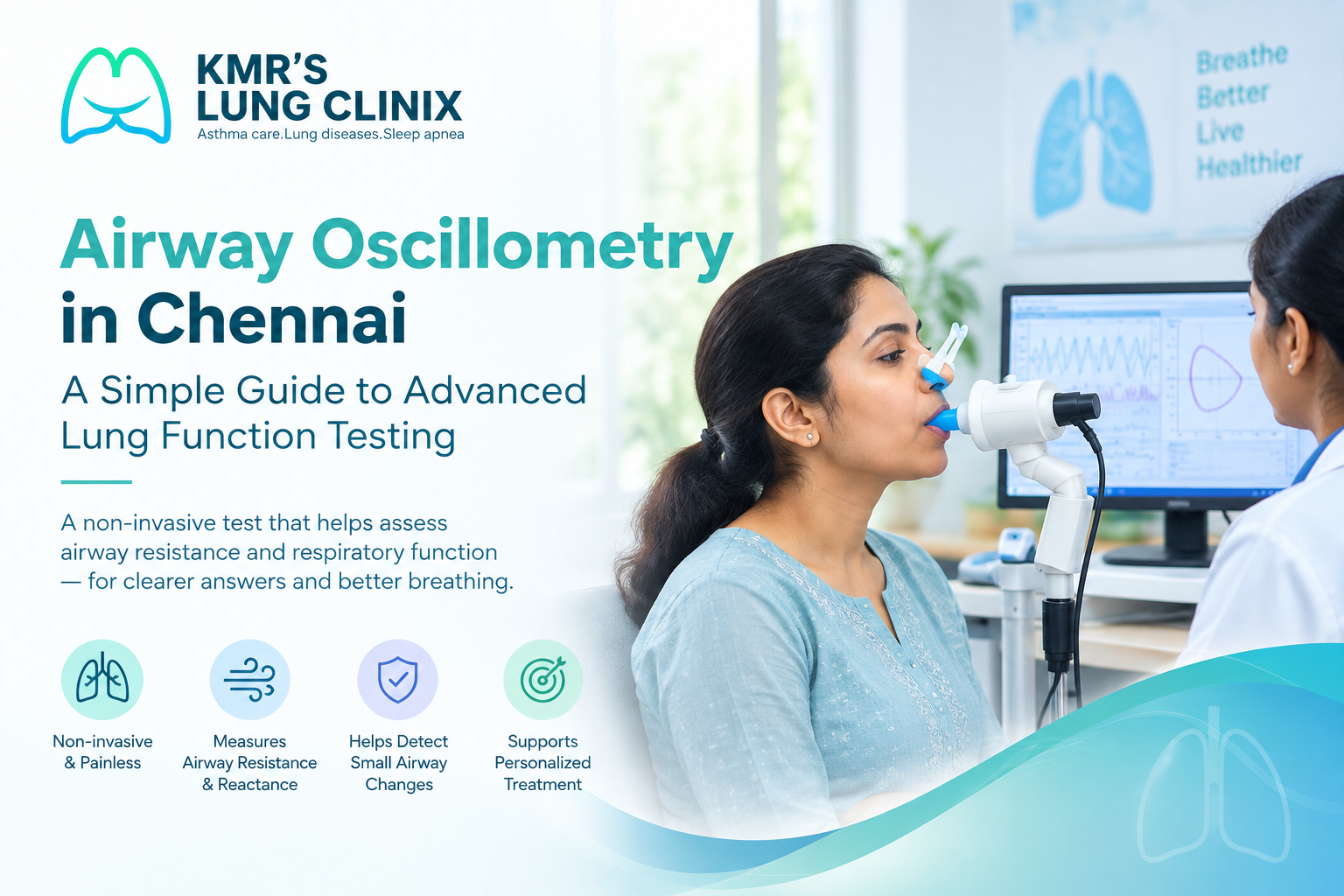
Spirometry is an important test used to assess how well the lungs work. It measures how much air you can breathe out and how quickly you can do so.
Depending on your symptoms, your doctor may recommend additional tests such as:
- Bronchodilator testing
- FeNO testing
- Allergy evaluation
- Chest X-ray or CT scan when indicated
- Blood tests
- Oxygen assessment
At LUNG CLINIX, the diagnostic approach is selected according to the patient’s symptoms and clinical history rather than relying on a single test.
Can You Have Both Asthma and COPD?
Yes. Some people can have characteristics of both asthma and COPD. This is sometimes described as asthma-COPD overlap.
Because treatment decisions can differ depending on the underlying condition, people with persistent respiratory symptoms should receive an individualized assessment rather than self-treating based on symptoms alone.
How Are Asthma and COPD Treated?
There is no single treatment plan that works for everyone.
Asthma Management
Treatment may include:
- Inhaled medications
- Trigger avoidance
- Allergy management
- Asthma action plans
- Regular monitoring
- Advanced therapies for selected patients with severe asthma
COPD Management
Depending on disease severity, management may include:
- Inhaled bronchodilators
- Other prescribed inhaled medicines
- Pulmonary rehabilitation
- Smoking cessation
- Vaccination where appropriate
- Oxygen therapy for selected patients
- Regular monitoring and management of exacerbations
The goal is to control symptoms, improve daily functioning, reduce flare-ups, and protect lung health.
When Should You See a Pulmonologist?
Don’t ignore breathing symptoms that interfere with everyday activities. Consider consulting a pulmonologist if you experience:
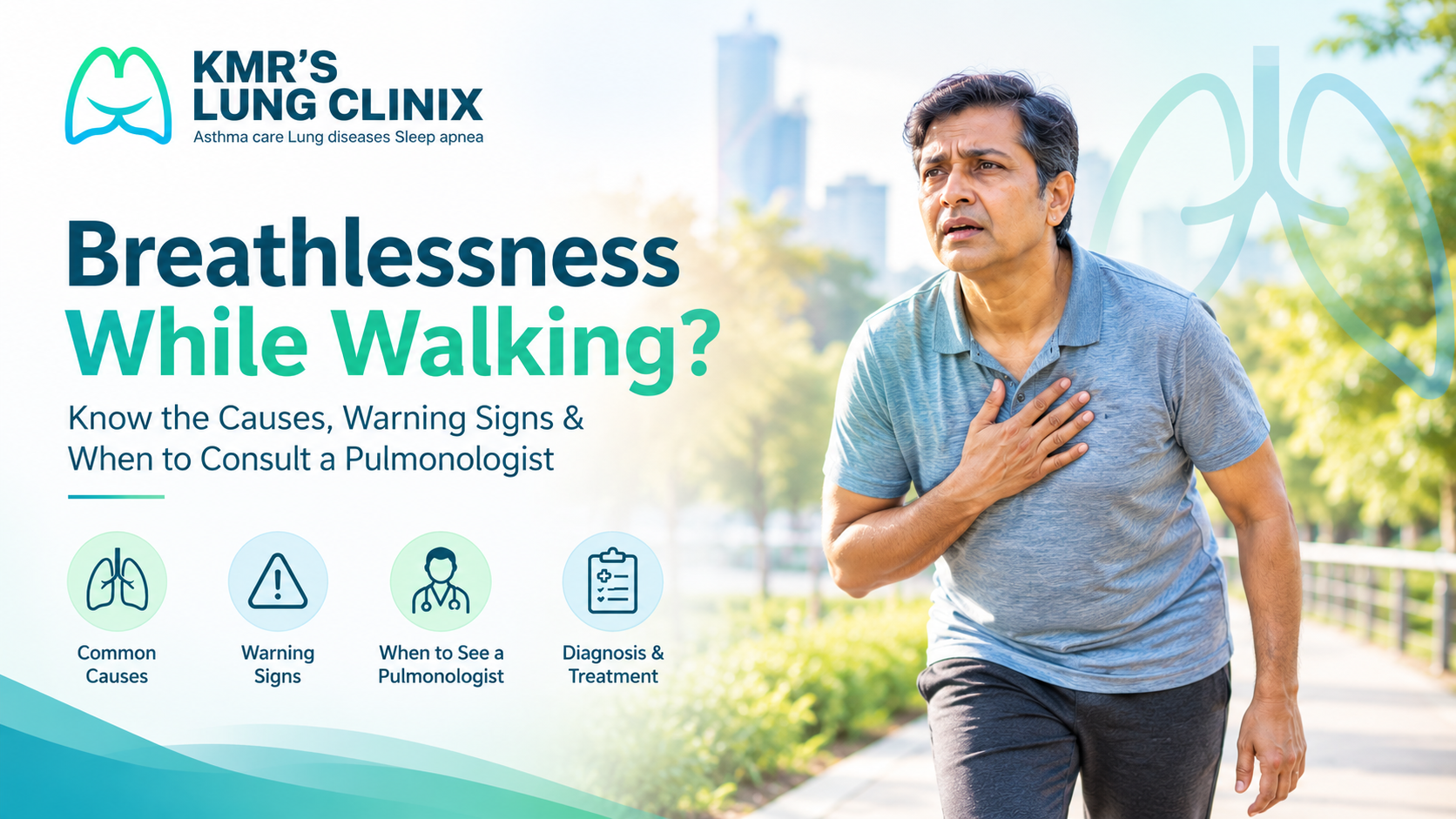
- Breathlessness while walking or exercising
- Persistent cough
- Recurrent wheezing
- Frequent chest infections
- Regular use of rescue inhalers
- Difficulty sleeping because of breathing symptoms
- A history of smoking with ongoing respiratory symptoms
Sudden or severe breathlessness, chest pain, blue lips, confusion, or coughing up significant amounts of blood requires urgent medical attention.
Why Choose LUNG CLINIX for Respiratory Care?
At LUNG CLINIX, we focus on identifying the underlying cause of breathing problems and developing a treatment plan suited to each patient.
Our respiratory care includes evaluation and management of conditions such as asthma, COPD, allergies, sleep-related breathing disorders, lung infections, and other pulmonary conditions. Diagnostic services may include pulmonary function testing and other investigations based on clinical need.
Conclusion
When comparing asthma vs COPD, the symptoms may look similar, but the underlying conditions are different. Asthma often has variable symptoms and airflow limitation, whereas COPD typically causes persistent airflow limitation and progressive respiratory symptoms.
If you’re experiencing ongoing cough, wheezing, or breathlessness, don’t assume it’s simply asthma or COPD. An accurate diagnosis is the first step toward effective treatment.
For comprehensive respiratory evaluation and personalized care, consult the specialists at LUNG CLINIX and take the right step toward healthier breathing.
Frequently Asked Questions
- Is asthma worse than COPD?
Neither condition can simply be described as “worse.” Severity varies from person to person, and both conditions can range from mild to severe. - Can asthma turn into COPD?
Asthma does not simply transform into COPD. However, some people with long-standing asthma may develop persistent airflow limitation, particularly when other risk factors are present. - Is COPD always caused by smoking?
No. Smoking is a major risk factor, but long-term exposure to biomass smoke, air pollution, workplace pollutants, and certain other factors can also contribute. - Which test helps distinguish asthma from COPD?
Spirometry, often combined with bronchodilator testing, is an important part of evaluation. Additional tests may be recommended depending on symptoms and medical history. - Can asthma and COPD be treated?
Both conditions can be managed with appropriate medical care. Treatment focuses on controlling symptoms, improving lung function and daily activity, and reducing the risk of exacerbations.